Interior Selective Demolition In Dallas TX
Interior selective demolition in Dallas, TX, is coming to be progressively preferred among homeowner. This approach permits the careful elimination of non-structural components, which can boost the aesthetic charm of an area while keeping its stability. With a concentrate on sustainability and marginal waste, this technique serves various industries. Recognizing the nuances of the procedure and its effects is vital for anyone thinking about such a project. What variables should be considered?
Comprehending Selective Demolition
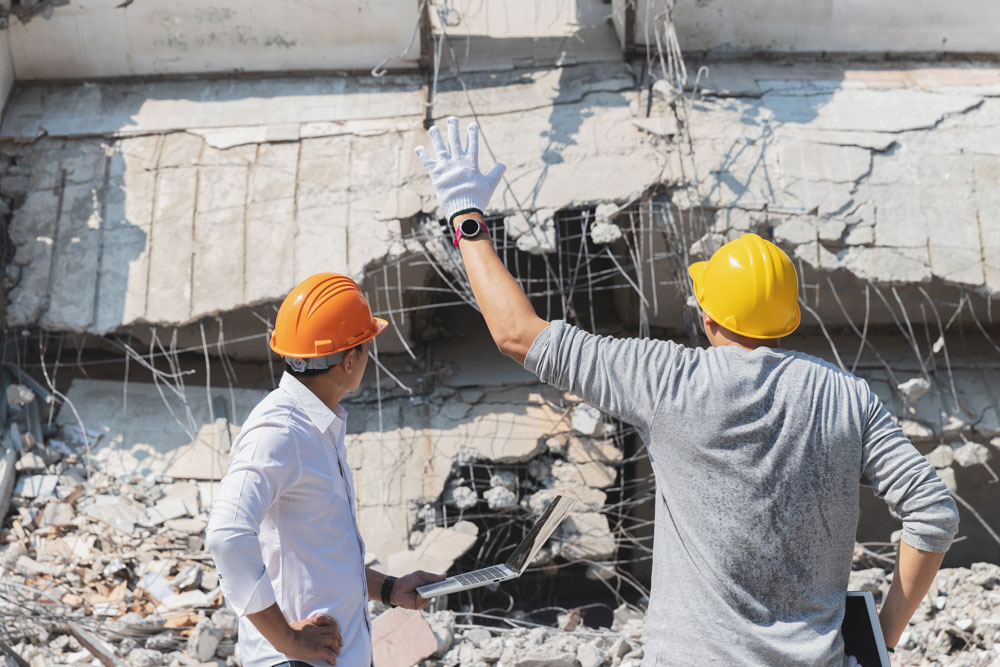
While numerous building and construction jobs call for complete demolitions, selective demolition uses an extra targeted approach. This technique entails the mindful elimination of certain frameworks or aspects within a structure, allowing for improvements and upgrades without the demand for total damage. best demolition contractor in dallas. Selective demolition is often used to protect existing materials or architectural functions that might hold historical or visual value
Advantages of Interior Selective Demolition
Many benefits go along with indoor selective demolition, making it an enticing choice for many remodelling tasks. One considerable benefit is the capability to preserve existing frameworks while eliminating only the required components, thus reducing waste and promoting sustainability. This procedure enables efficient usage of resources, frequently causing reduced disposal costs and a lowered environmental impact.
Additionally, interior selective demolition can expedite restoration timelines. By concentrating on certain locations, specialists can streamline operations and reduce disruption to surrounding spaces. This approach likewise supplies higher flexibility in style, allowing residential property proprietors to reimagine their interiors without the need for comprehensive restorations.
It can boost security by methodically removing hazardous products, such as asbestos or lead, which may be existing in older structures. On the whole, interior selective demolition stands apart as a sensible and environment-friendly choice for those aiming to update or repurpose their spaces properly.
Typical Tasks for Selective Demolition
Interior selective demolition is commonly used in a selection of tasks, ranging from business improvements to property upgrades. In commercial setups, it often involves the elimination of non-structural aspects such as partitions, ceilings, and flooring to create open rooms for brand-new designs. Retail facilities commonly undergo selective demolition to rejuvenate their insides and adapt to altering customer choices.
In domestic projects, house owners may choose selective demolition to modernize outdated kitchen areas or bathrooms, getting rid of components and cabinets without endangering the whole structure. local demolition contractor dallas. Furthermore, selective demolition is typically used in historic remodellings, permitting for the preservation of building integrity while updating vital systems
The Selective Demolition Process
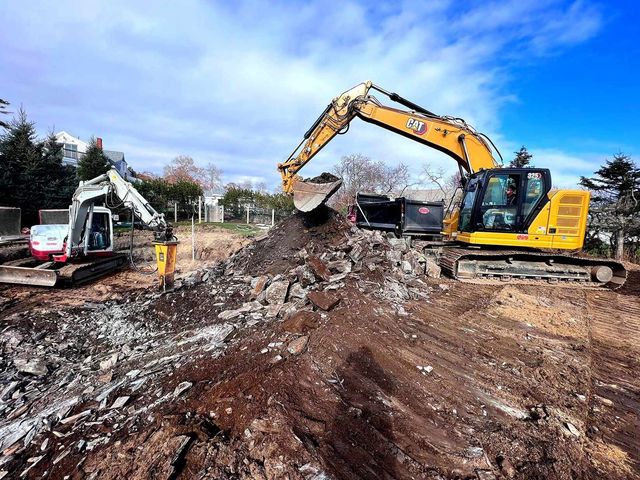
The selective demolition process entails a methodical technique to taking down details elements of a framework while preserving the stability of the remaining structure. This procedure starts with a complete analysis of the structure, recognizing which parts need removal and which should be maintained. Comprehensive preparation complies with, in which the team establishes a timeline, allots resources, and identifies the needed tools and devices.
When preparation is complete, the demolition group thoroughly removes marked materials, such as wall surfaces, components, and floor covering, utilizing specialized methods to minimize interruption. They use techniques that guarantee the safe handling and disposal of dangerous products, if present. Throughout the demolition, attention is paid to architectural support, ensuring that the total stability of the building remains undamaged. The process concludes with complete cleaning and waste administration, allowing for a smooth change to succeeding remodelling or building stages.
Security Considerations in Selective Demolition
Safety factors to consider in selective demolition are crucial, as the procedure can present numerous threats to workers and the surrounding atmosphere. Proper preparation and threat analysis are essential to determine prospective threats, such as falling particles, direct exposure to unsafe materials, and architectural instability. Employees should be educated in secure methods and equipped with appropriate personal safety tools (PPE) to alleviate these risks.
In addition, developing clear interaction and security methods is necessary to guarantee that all group members know their responsibilities and the details dangers present on-site. Signs and obstacles need to be utilized to restrict access to harmful locations, protecting both workers and the demolition plant public. Regular security audits and adherence to neighborhood regulations better boost safety and security procedures. By prioritizing these factors to consider, selective demolition tasks can be implemented efficiently while reducing the danger of injuries and accidents, ultimately promoting a safer workplace.
Picking the Right Professional
Selecting the ideal professional for interior selective demolition is crucial, as their proficiency can considerably influence the project's success. A qualified service provider should possess a solid understanding of local regulations, safety and security methods, and the subtleties of selective demolition procedures. It is necessary to examine prospective service providers based upon their experience, credibility, and previous projects.
Potential clients must look for references and review reviews to gauge the service provider's integrity and top quality of craftsmanship. Furthermore, assessing their communication abilities can give understanding right into just how well they will certainly manage the project timeline and address worries.
It is advisable to demand multiple quotes to contrast services and ensure a fair examination of capacities. Ultimately, picking a service provider that straightens with the project's specific demands and shows a dedication to safety and top quality will enhance the chance of a reliable and effective demolition process.
Expense Elements in Selective Demolition
Expense factors in selective demolition can differ significantly based on numerous crucial elements. The size and intricacy of the job significantly affect costs; larger rooms or complex styles might need even more labor and time. In addition, the kind of materials being removed plays a vital duty; hazardous products, such as asbestos, necessitate specialized handling and disposal, enhancing expenditures. Labor rates in Dallas also affect the total budget plan, with experienced workers regulating higher wages.
The need for permits and adherence to local regulations can present extra expenses, as conformity is vital. Tools rental charges for equipment might likewise add to the complete expenditure. Finally, the timeline for task conclusion can affect expenses, as expedited solutions typically sustain greater rates. Recognizing these variables makes it possible for homeowner to better prepare their budgets for selective demolition tasks in Dallas.

Regularly Asked Inquiries
The Length Of Time Does Interior Selective Demolition Commonly Take?
Commonly, interior selective demolition can take anywhere from a couple of days to numerous weeks, depending on the project's complexity, dimension, and particular needs. Factors such as permitting and website conditions also influence the timeline considerably.
What Kinds of Products Are Generally Gotten Rid Of During Selective Demolition?
Typically gotten rid of materials during selective demolition include drywall, flooring, ceiling tiles, pipes components, electrical systems, and cabinetry - demolition contractor near dallas. This procedure permits for targeted renovation while minimizing waste and protecting architectural integrity of the continuing to be structure components
Are Permits Required for Interior Selective Demolition Projects?
Permits are typically needed for interior all demolition and excavating selective demolition jobs, depending on local policies and the range of work. Compliance guarantees safety and adherence to building regulations, inevitably safeguarding the stability of the surrounding structure.
Can I Reside In My Home Throughout Selective Demolition?
Yes, one can live in their home during selective demolition, however it commonly depends upon the extent of the work. Correct preventative measures and communication with contractors are crucial to guarantee security and lessen disruption.
What Should I Do to Prepare for Selective Demolition?
To prepare for selective demolition, one ought to remove individual valuables from the workspace, cover furniture, notify next-door neighbors of possible sound, and guarantee all utilities are available for the contractors. Safety and security safety measures need to also be developed.
While lots of construction tasks require full demolitions, selective demolition offers a more targeted approach. Various benefits accompany indoor selective demolition, making it an appealing choice for lots of restoration tasks. Interior selective demolition is often made use of in a selection of tasks, varying from industrial improvements to household upgrades. Selecting the appropriate contractor for interior selective demolition is important, as their competence can greatly impact the task's success. Authorizations are usually needed for indoor selective demolition jobs, depending on local policies and the all site demolition extent of work.